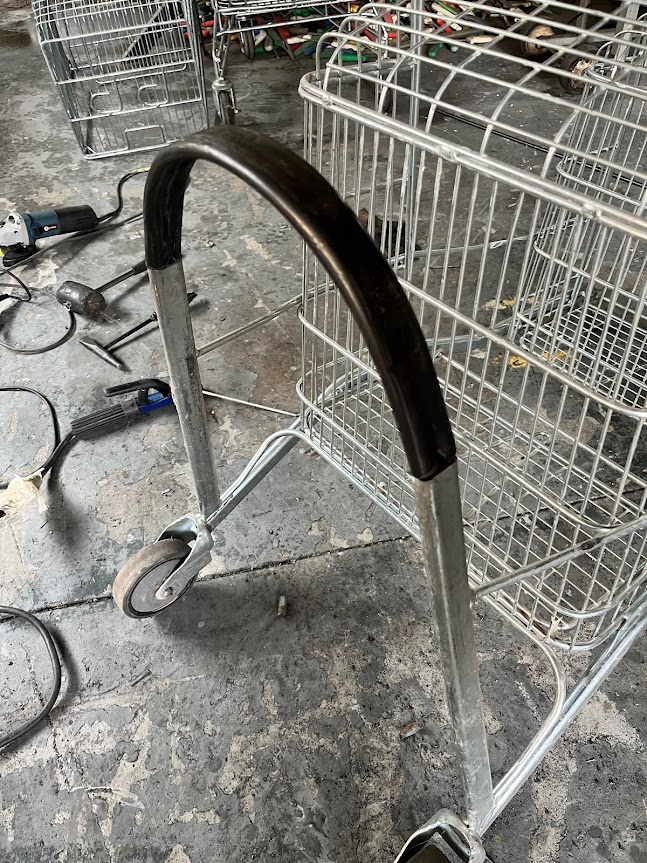
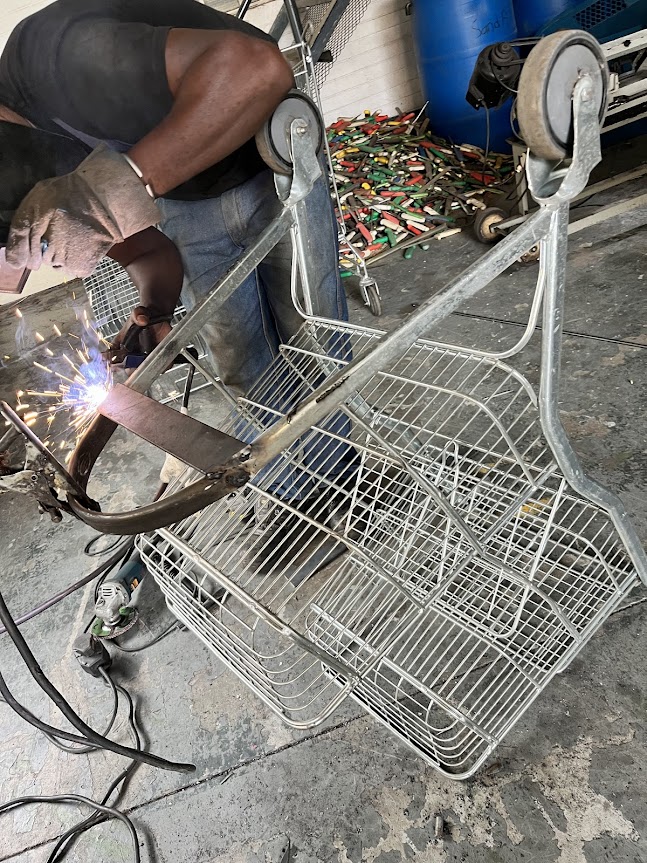
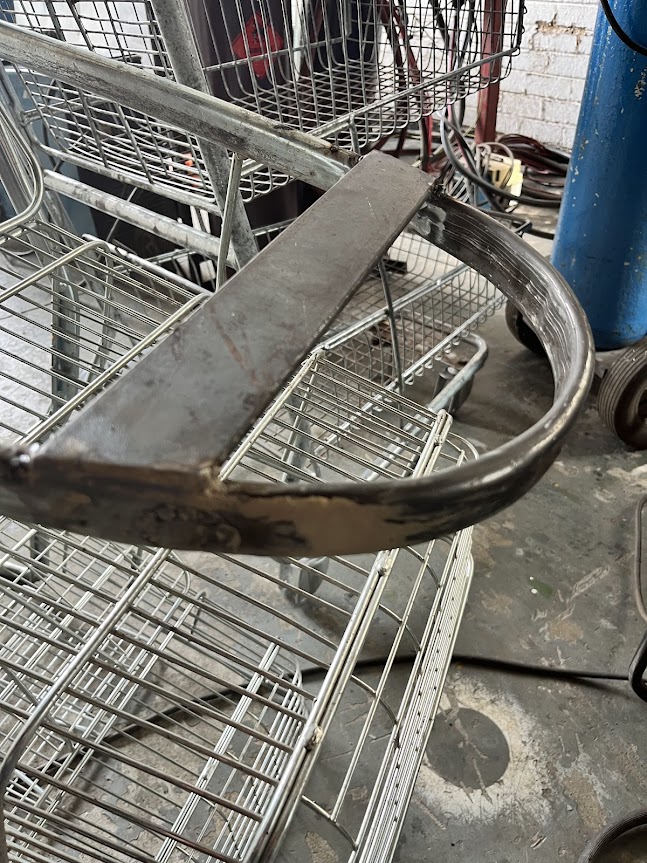
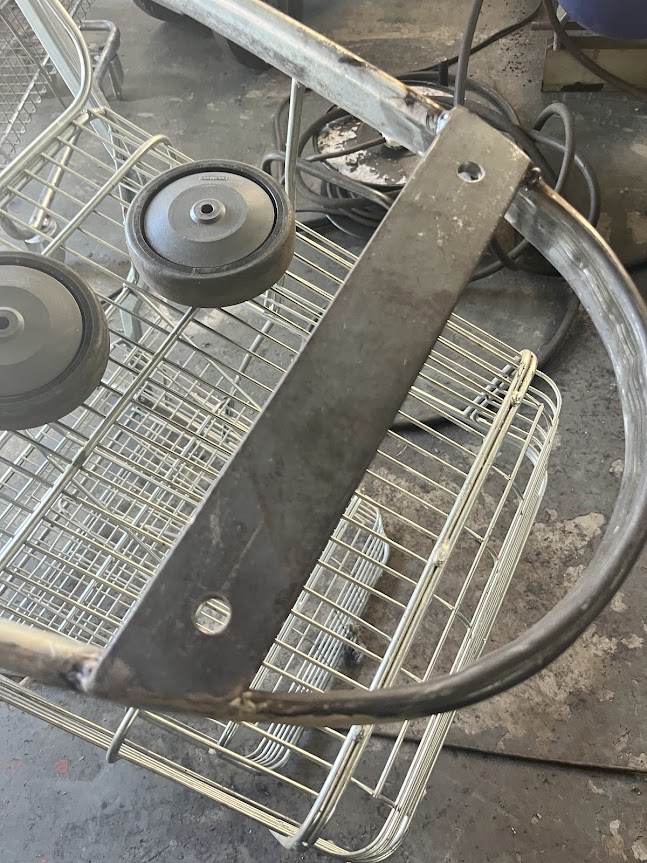
Steel and plastic trolley repairs
Before
After
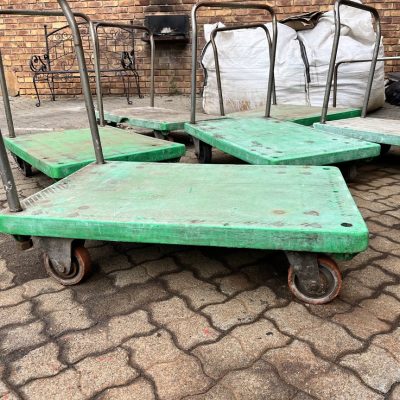
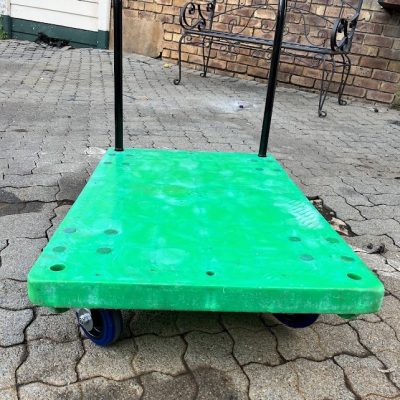
Project: Plastic Platform Trolley Overhaul
-
The Problem: The trolley was covered in thick grime, the steel handle was completely rusted, and the broken swivel bearings meant it couldn’t roll or steer.
-
Our Fix: We replaced the caster wheels and broken bearings so it rolls like new. Then, we sanded and repainted the handle black.
-
The Magic Touch: We deep-cleaned the dirty plastic and used a torch to flame polish the deck—instantly erasing the sun damage and bringing back the bright green shine.
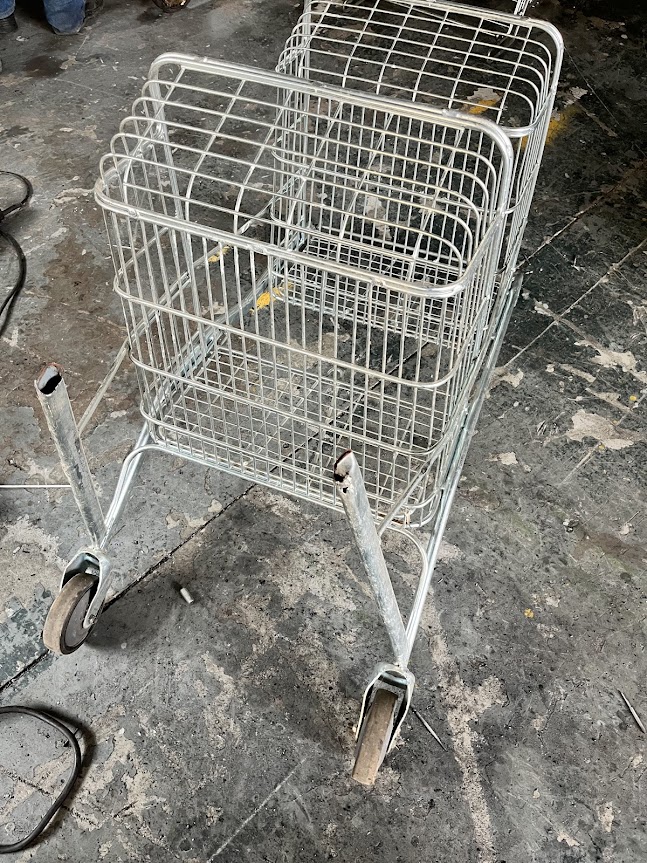
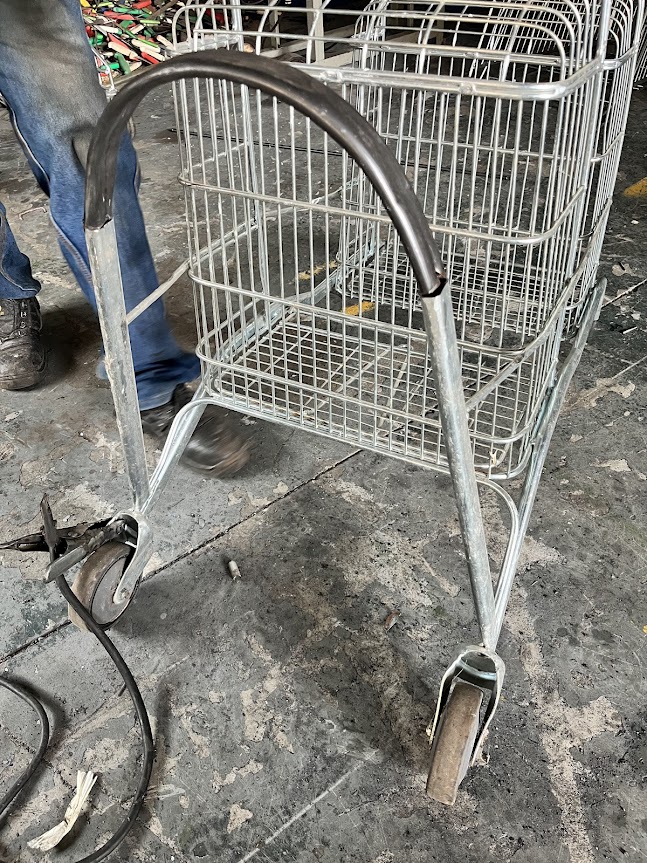
Project: Fixing Cracked Plastic Shopping Trolleys
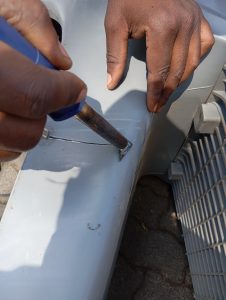
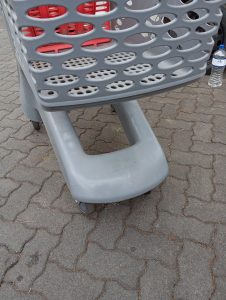
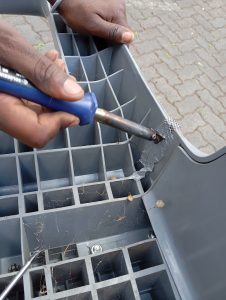
The Problem: These plastic shopping trolleys get pushed around hard every day. Because of the heavy loads, the plastic starts to split and crack in the front and around the areas that take the most stress.
Our Fix: We used a clever trick called plastic welding, but we also melted a strong steel mesh right into the cracks. It acts like a tough metal skeleton inside the plastic to pull the cracks shut and make the frame super strong so it won’t break again.
Before
After
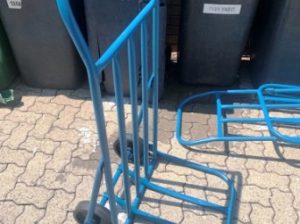
Project: Repairing a Folding Nose Hand Trolley
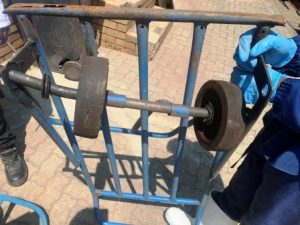
The Problem: This blue metal trolley is made for moving heavy boxes, but it came in completely beaten up. The folding nose plate at the bottom was bent out of shape, the frame was rusted and missing its paint, and the old rubber wheels were totally worn down and flat.
Our Fix: We straightened out the bent metal nose plate so it can fold and lay flat again. Then, we scraped off the old rust, gave the entire metal frame a fresh coat of bright blue paint, and put on brand-new, chunky rubber wheels so it rolls perfectly.
Before
After
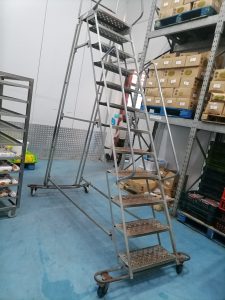
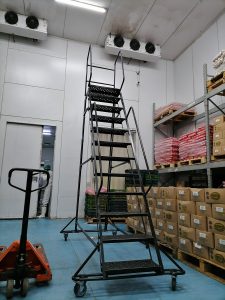
Project: Repairing Warehouse Mobile Safety Steps
The Problem: These tall rolling ladder steps are used to reach high shelves in warehouses. This unit had a lot of structural damage near the bottom. The steel metal tabs where the wheels attach were badly bent and cracked from heavy rolling, making the whole ladder shaky and unsafe to climb.
Our Fix: We straightened the bent wheel mounts and welded the cracked steel back together. To make sure it stays safe, we added extra triangular metal pieces to reinforce the weak areas so they won’t bend again. Finally, we gave the entire frame a clean coat of black paint so it looks brand new.
That common complaint
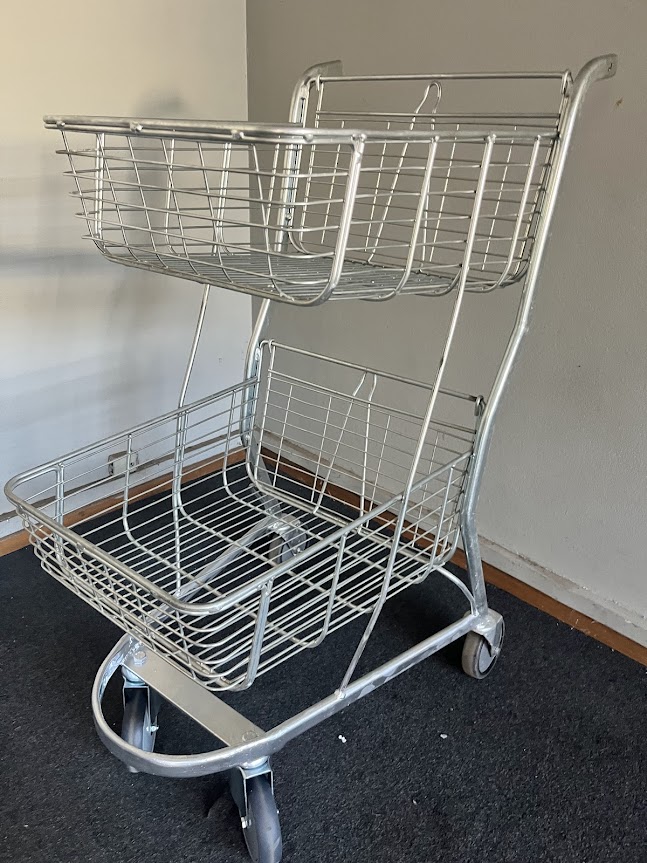
One of the main customer complaints is that the trolley is :
“difficult to maneuver”
“dirty trolley”
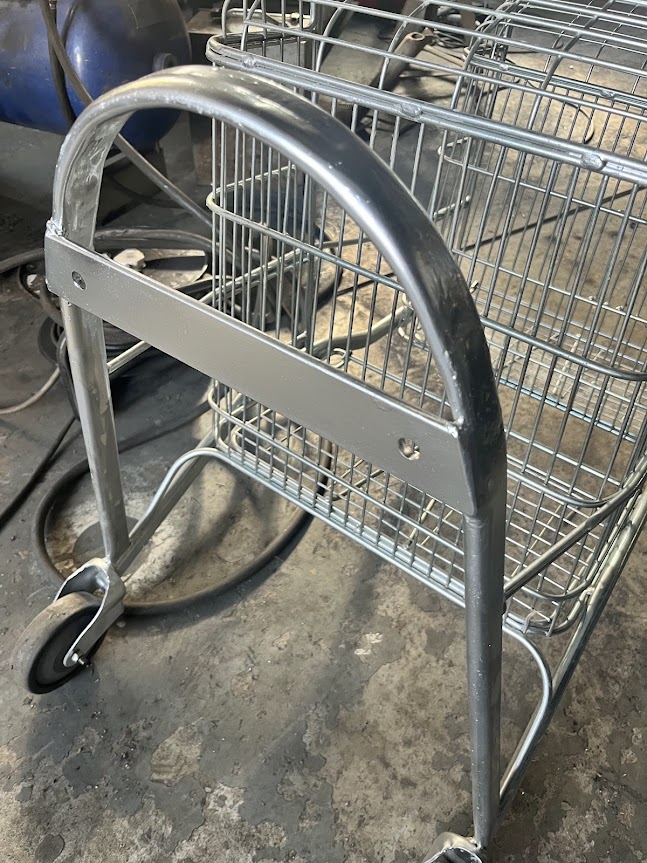
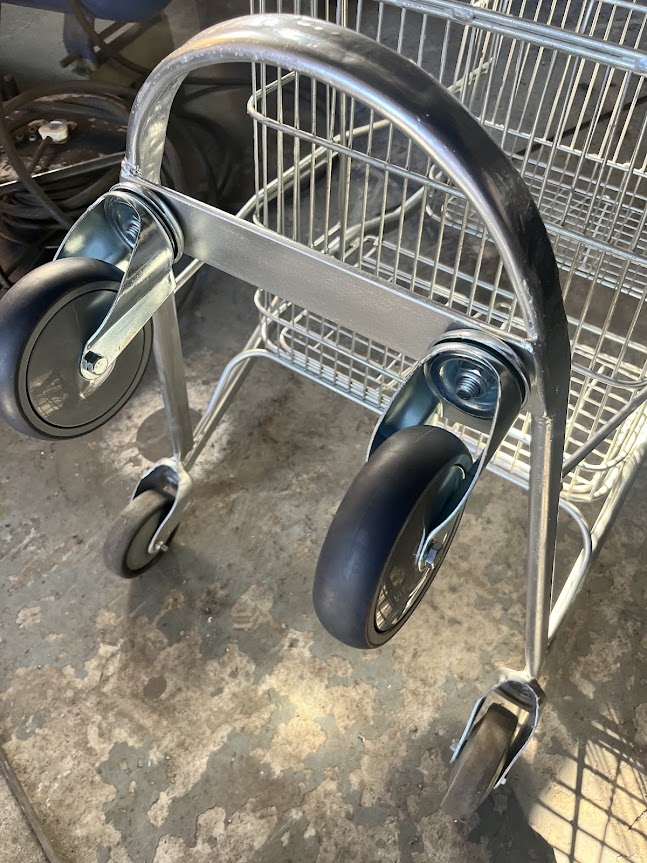
“broken wheels”
Eliminating this problem dissolves any frustration felt by the customer, making for a more pleasant shopping experience which increases customer spend, develops loyalty and reduces customer complaints.
Frequently Asked Questions
Since 80% of infections are conveyed by physical contact, our hands are the primary vehicle for bacterial transmission and cross-contamination of commonly touched objects. It is no surprise that shopping carts and baskets are strong sources of bacteria given that they come into contact with potentially hundreds of individuals each day, not mention all the spills that include meat and other perishables in retails stores and chemical spills in the industrial application.
You run a greater chance of getting sick and infected. Infants and toddlers who use the seats of contaminated shopping trolleys at a higher risk of getting sick. Children who ride in a shopping trolley are more likely to contract Salmonella and Campylobacter, according to a research by the Centers for Disease Control and Prevention.
Doing preventative maintenance is essential to extending the life of your important asset. Components will last longer if moving parts are inspected and lubricated. Any potential hazard, such as protruding wires, damaged or misaligned frames, baby capsules that aren’t securely fastened, kid restraints that aren’t working, and worn travelator brakes, will be fixed with routine trolley maintenance.